

Alumni Authors: Hitched or Ditched – Paromita Banerjee (EEP 2015) and Rahul Singh (PGP 2015)
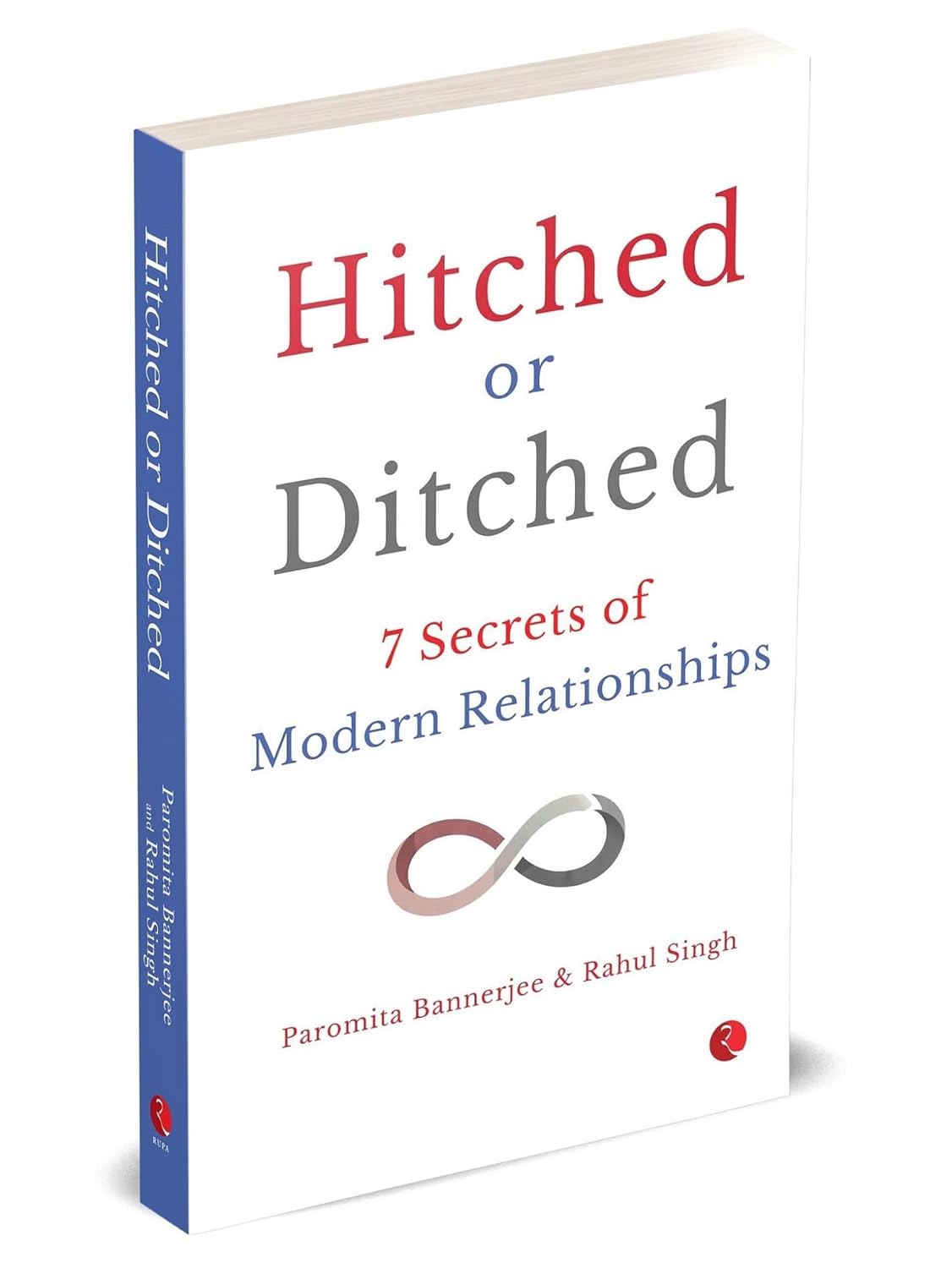
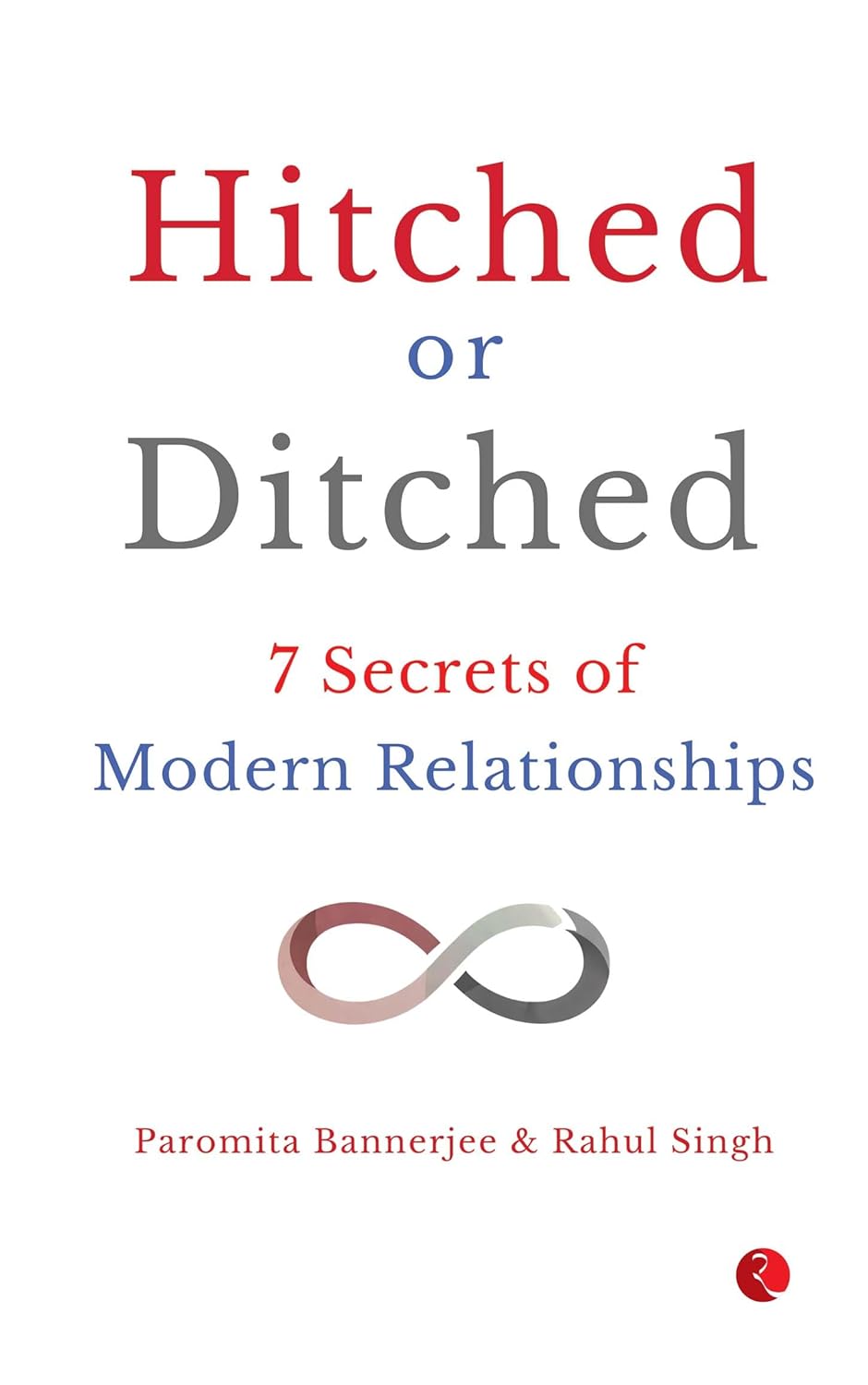
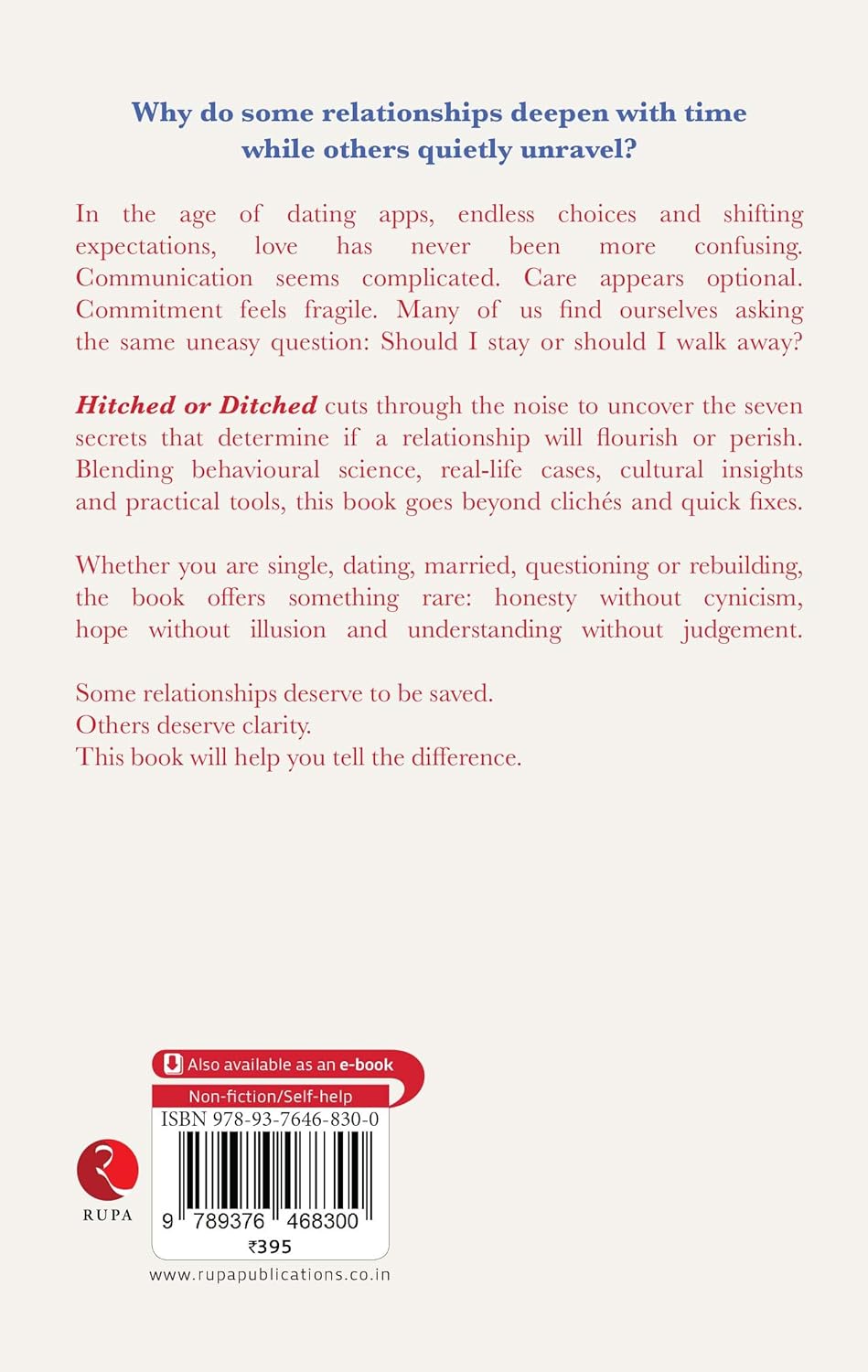
Love may be universal, but understanding relationships is anything but simple. In Hitched or Ditched, Paromita Banerjee and Rahul Singh explore the many dimensions of modern relationships, blending personal experiences, behavioural insights, research, and real-life case studies to help readers navigate one of life’s most important yet least understood aspects. We caught up with the co-authors to discuss the inspiration behind the book, the lessons they discovered along the way, and why investing in relationships deserves as much attention as investing in careers.
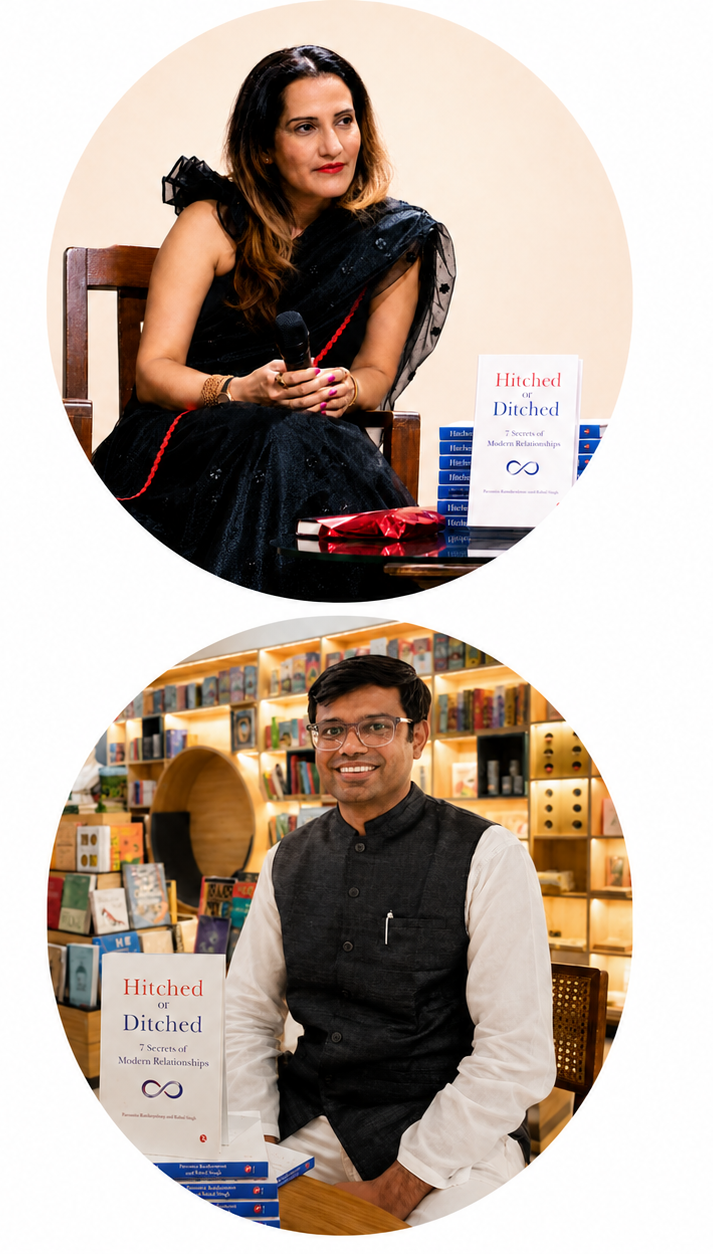
What was the journey behind Hitched or Ditched? Was there a particular question, observation, or experience that set it in motion?
Paromita:
Over two decades in HR, I have seen that relationships are one of the most important pillars of life, yet they are often the least understood. In the workplace, we usually know how to help someone struggling with performance, skills, discipline, or career challenges. However, when the root cause is a personal relationship issue, managers, HR professionals, and even the individuals themselves often feel lost.
I repeatedly observed how deeply personal relationships influence professional success, mental well-being, and overall happiness. That gap between the importance of relationships and our ability to navigate them became the starting point for Hitched or Ditched.
Rahul:
The genesis of this book dates back to IIMBue 2019, when we first met. Little did either of us then know that the answer to the question of what the most important decision in life is would one day culminate in a book!
While I argued it was which company you work for, Paromita was convinced it was who gives you company.
Relationships are among the most universal aspects of human experience, yet they remain one of the least understood. What drew you to explore this subject in depth?
Paromita:
As an HR professional, I have always been in a position where people trusted me enough to share their personal stories and struggles. I am an empathetic listener, and over the years, I have found myself observing recurring patterns in relationships across age groups, professions, and life stages.
I began documenting these observations, writing blogs, and contributing articles to corporate magazines as early as 2017. The more I wrote, the more I realised that many people were facing similar challenges but lacked practical guidance. After Rahul authored three successful books, he encouraged me to bring together my experiences, case studies, and research into a book format. That encouragement eventually led to Hitched or Ditched.
And yes, there is another reason behind the structure of the book. The number seven has always fascinated me when it comes to relationships—the seven vows, the idea of seven lifetimes, and the symbolism of seven as a number associated with commitment and growth.
Rahul:
Love has always been humanity’s greatest mystery. We chase it, we lose it, and sometimes we abandon it altogether. Yet, despite centuries of poetry, philosophy and psychology, relationships remain the most complex puzzle we attempt to solve in our lifetimes.
The reason lies in how grossly unprepared we are for it. When it comes to relationships, arguably the single most important decision of our lives, we are left to instinct, imitation and accident. In fact, most people spend more time learning how to drive than how to drive their relationships.
When I met Paromita, an accomplished HR professional, I learnt that even the most professionally successful humans – Jeff Bezos, Elon Musk, Bill Gates – can fail miserably in their relationships, losing 50% of their wealth and 100% of their peace of mind.
There is no point in being right when there is nothing left – hence the book!
In the process of working on the book, were there any insights that challenged your own assumptions about relationships?
Paromita:
One of the reasons I wanted this book to be grounded in research and real-life experiences was to move beyond assumptions altogether. The stories and case studies featured in the book are supported by deep research, data, observations, and lived experiences.
Over the years, I have learned to listen without judgment. People often find themselves in situations that may seem unusual or unexpected from the outside, but every relationship has its own context and complexity. Rather than being surprised by people’s choices, I have become more curious about understanding the motivations, emotions, and circumstances behind them.
Rahul:
The book made me more aware of my own self!
During the process of writing the book, I realised that perhaps matching MBTI might be a better predictor of relationship success than matching Kundali. I was oblivious to how attachment styles – secure, anxious, fearful, avoidant – affected by one’s childhood could have a deep impact on relationships in adulthood. Equally insightful was understanding how one’s love language – gifts, words of affirmation, quality time, acts of service, or physical touch – influences how we express love.
The most surprising thing was learning that our toxic trait is the direct opposite of our love language.
Life gives us the exam first and the lesson afterwards. In relationships, lessons often come too little, too late.
Success is often discussed in terms of careers, achievements, and professional growth. Why do you think conversations around relationships receive far less attention despite being equally important?
Paromita & Rahul
Because the education system prepares us for professional life. We spend years learning mathematics, science, management, and finance, but almost no time learning how to communicate, resolve conflict, build trust, or sustain meaningful relationships.
Was there a moment during the writing process that was particularly memorable, surprising, or transformative?
Paromita:
Writing this book was a deeply transformative experience for me. For years, I had accumulated observations, stories, insights, and lessons from countless conversations. Putting them into a structured framework made it memorable to realise that many of the answers people seek are often hidden within their own experiences. The book allowed me to organise years of learning into a format that could potentially help others navigate their own journeys.
Rahul:
While writing the book, I came across an Arabic quote which stayed with me – When the world hurts you, a single person can make you happy. That same person will hurt you someday, and the whole world won’t be able to make you happy.
Looking back, has your understanding of relationships changed over the years? If so, what has been the biggest shift in your thinking?
Paromita:
Absolutely. Earlier, like many people, I believed there were certain universal formulas for successful relationships. Over time, I realised that no single formula works for everyone. The biggest shift in my thinking has been understanding that successful relationships are not about following a fixed set of rules; following a tall order; they are about finding what works for the people involved while remaining authentic, respectful, and emotionally honest.
Rahul:
For me it was understanding how men and women approach relationships differently. Men often love with their eyes while women often love with their ears. Men often fall in love with the present; women often fall in love with the future. Men meet a woman and hope that her beauty, youth and charm never change. Women meet a man and hope that his potential, ambition and dreams materialise.
Many IIMB alumni lead demanding professional lives. What relationship lessons do you think are especially relevant for ambitious professionals?
Paromita
Ambitious professionals invest significant effort in building their careers, but personal relationships deserve the same attention and intentionality.
A career setback can often be rebuilt with time, effort, and opportunity. A neglected relationship, however, can be much harder to repair once trust and connection are lost. My advice would be simple: do not treat relationships as something that can always be attended to later. Success becomes far more meaningful when it can be shared with the people who matter most.
Rahul
Many IIMB alumni lead demanding professional lives where they are needed to constantly juggle three balls – career, relationship, and health. People often make the mistake of dropping the relationship ball for the sake of career – a missed marriage anniversary, failing to be at child’s performance, forgetting to call parents – hoping to catch it up later.
The earlier we understand that the career ball is a rubber ball which can bounce back, while the other two are fragile glass balls, the better.
If readers were to remember just one important aspect from the book, what would you hope it would be?
Paromita:
I would like readers to remember that there is almost always a way forward. There is hope, there are solutions, and there are opportunities for healing and growth.
At the same time, relationships should not be governed solely by societal expectations, rigid rules, or what others think is right. The ultimate goal should be the happiness and well-being of the individuals involved. Be honest with yourself, be honest with the other person, and make choices that align with your truth rather than external pressure.
Rahul:
Wholeness before togetherness!
In the mathematics of relationship, two halves don’t make a full. It is only when two people bring their WHOLE that a complete relationship blossoms. Yet many people bring a HOLE, a void they hope the other can fill.
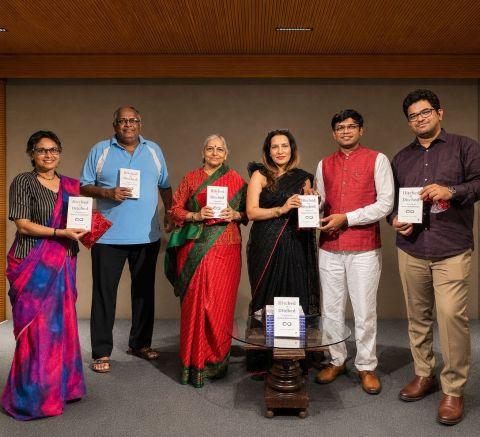
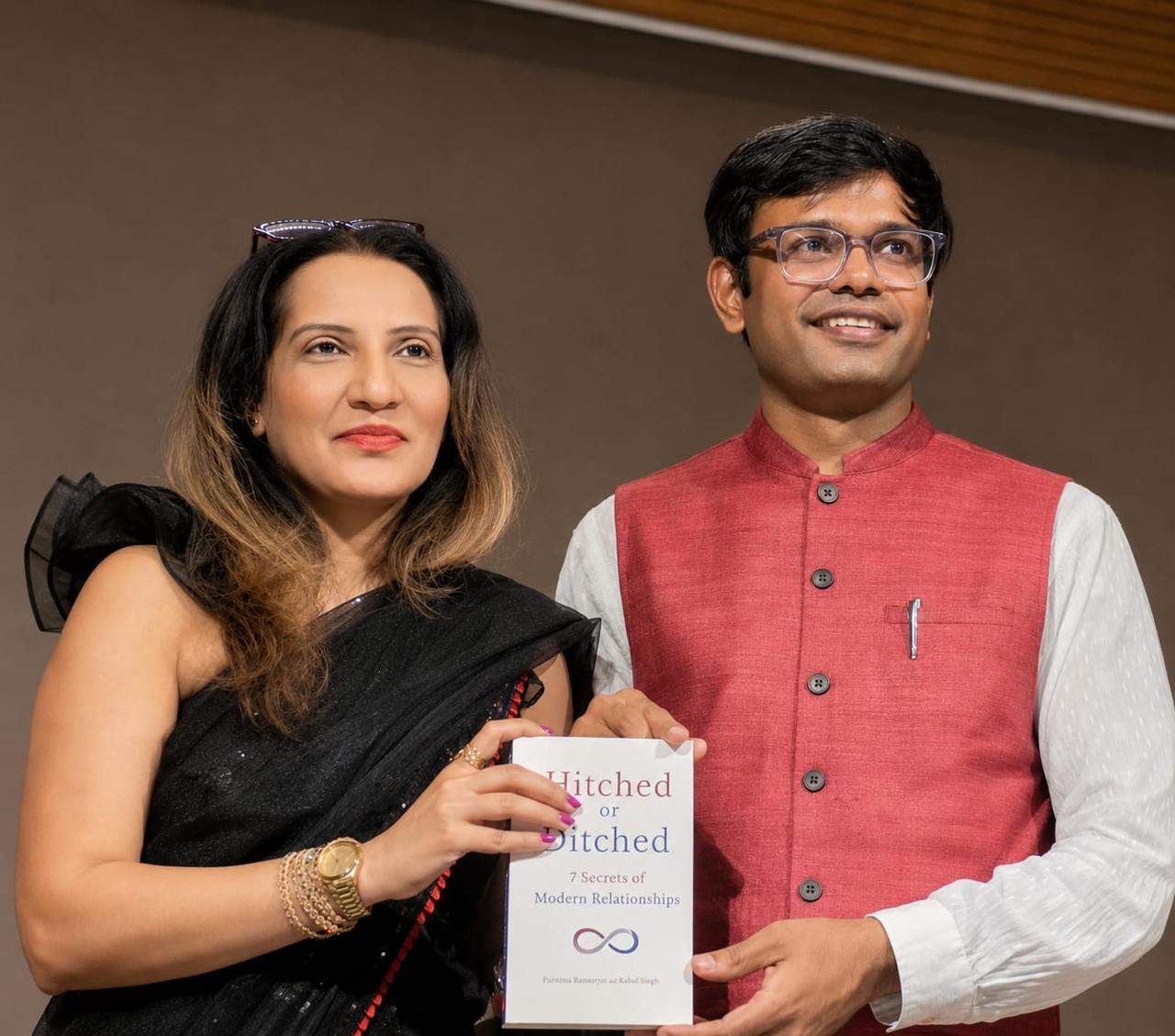
Hitched or Ditched is now available world-wide to order 📚
- India – https://www.amazon.in/dp/9376468309/
- Singapore – https://www.amazon.sg/dp/9376468309/
- USA – https://www.amazon.com/dp/9376468309/
- UK- https://www.amazon.co.uk/dp/B0H2Y93LCD/
- Europe – https://www.amazon.fr/dp/B0H2Y93LCD/
- Australia – https://www.amazon.com.au/dp/B0H2Y93LCD/
Hitched or Ditched is more than a book about relationships; it is an invitation to pause, reflect, and approach human connections with greater awareness and empathy. As Paromita and Rahul remind us throughout the conversation, meaningful relationships do not thrive by chance—they require intention, communication, and continuous learning. Whether readers are just beginning their journey or seeking to strengthen existing bonds, the book offers thoughtful perspectives that encourage reflection long after the final page.
