

Alum Author: Balancing the Chain – Ushasri Tirumala, PGDM 1981
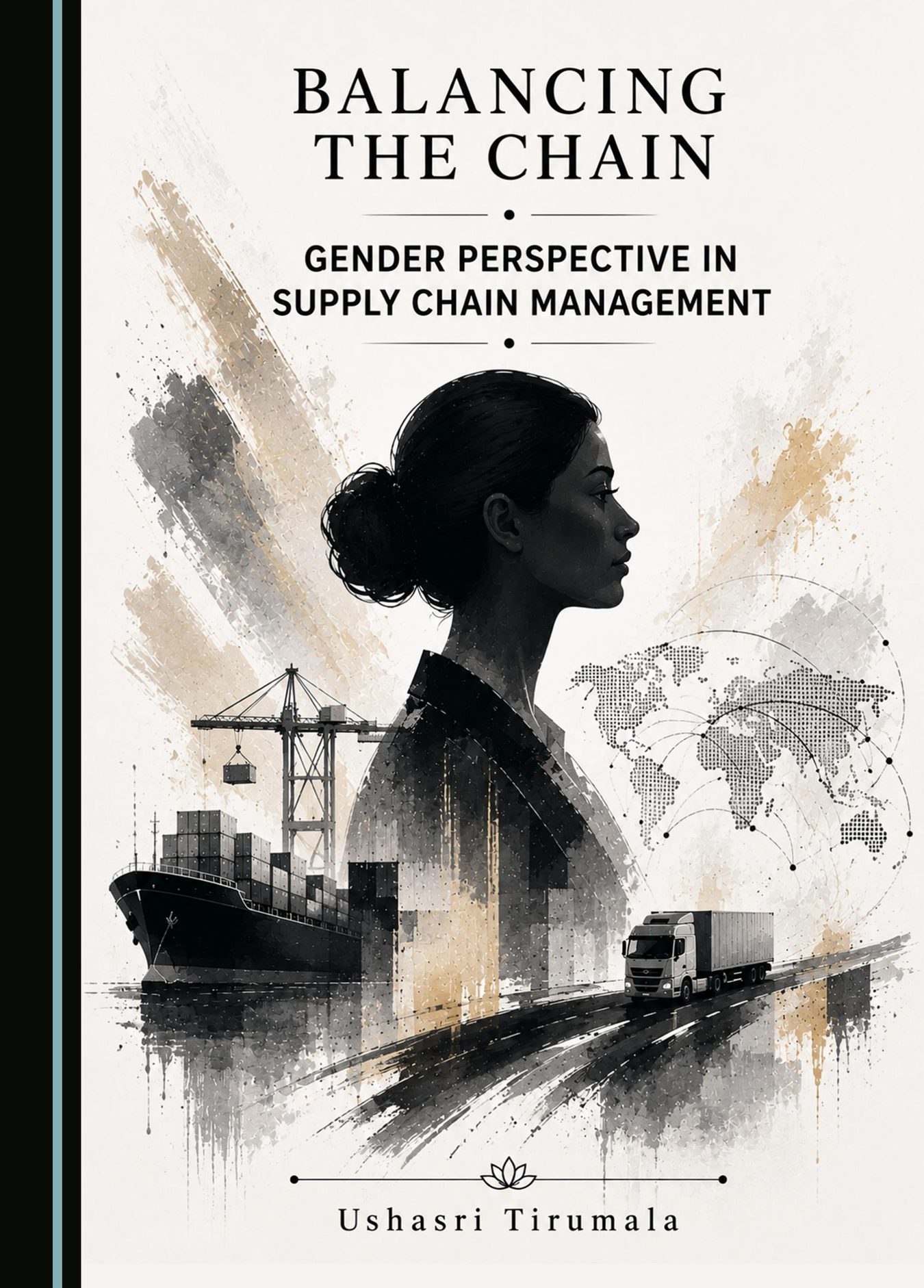
Supply chains are often viewed through the lens of technology, logistics and efficiency, but their greatest strength lies in the people who drive them. In her book, Balancing the Chain: Gender Perspective in Supply Chain Management, IIM Bangalore alumna Ushasri Tirumala (PGDM) examines women’s representation in the sector, the barriers to leadership and the case for building more inclusive organisations. A former Executive Vice President at Manhattan Associates, USA, she draws on her industry experience to explore how gender diversity can strengthen supply chain resilience and innovation.
In this conversation with LSquare, Ushasri discusses the inspiration behind her book, the changing supply chain landscape and her advice to the next generation of women leaders.
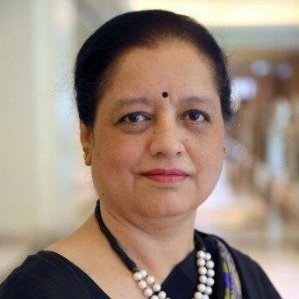
What inspired you to write Balancing the Chain?
For decades, supply chains have been viewed as enormous physical chains—through ships, steel, and software. But the real engine of any supply chain is its intelligence and people. Throughout my career, I noticed a stark paradox: while women inherently excel in the collaborative, analytical, and risk-mitigation skills modern operations demand, they remain under-represented in leadership. I wrote this book to present the current state and that gender balance isn’t just a social goal; it is a strategic requirement for supply chain resilience.
What do you hope the book will contribute to the conversation?
I want to highlight the unexplored potential of core domain such as Supply chain which is so crucial in ourb dynamic times. Balancing the Chain provides a data-backed opportunity board for Corporates and aspiring professionals. I hope it proves that cognitive diversity directly minimizes risk, boosts flexibility, and improves bottom-line performance.
What is one key insight from your research that the industry must notice?
The critical value of the advent of technology which provides new career paths. Also, women frequently bring a highly collaborative, long-term view and vision.
Drawing on your time at Manhattan Associates, what are the biggest barriers women face?
The traditional blueprint for upward mobility requires perseverance, organisational support. In the organisation which i led, there was a thriving women representation, growing in strength and impact.
In the industry, there is a distinct “leaky pipeline” at mid-management, driven by work life balance concerns, a lack of structured corporate sponsorship and the lingering unconscious bias.
What practical changes can organisations make right now?
- Redefine Success: Define collaborative outcomes by leveraging gender participation in emerging as well as core business areas.
- Provide Active Sponsorship: Move beyond token mentoring. Formally create accelerated career paths for high potential women.
- Embed Flexibility: Flexibility in work life integration and multigenerational needs vis a vis life events.
How has your experience at IIM Bangalore influenced your journey?
IIM Bangalore was foundational. It gave 360 degree view of organisations, processes and analytical data-driven frameworks. It also instilled a macroeconomic perspective and humane approach. Supply chains are very dynamic and understanding the interplay of people and technology sets you up better.
Is there a lesson that fundamentally shaped your approach to leadership?
Early on, I thought leadership meant projecting absolute certainty. I later learned the immense power of authentic, vulnerable leadership. During a crisis, the most effective thing a leader can do is ask the right questions, listen to the experts on the ground, and admit what they don’t know. Again not being afraid to innovate.
What advice would you offer young women aspiring to leadership in this field?
First, anchor yourself in your technical and domain competence—let your knowledge of processes, data, automation, and predictive analytics speak for itself. Second, build a “Personal Board of Directors”—a diverse network of peers and mentors who will challenge you and advocate for you. Finally, speak up early; your voice is important.
What new projects or areas of work are you currently excited about?
I am deeply focused on the intersection of AI and human-centric operations. As technology automates routine logistics, human strategy, ethical sourcing, and environmental protection become paramount—areas where diverse teams thrive. I am also researching how leadership diversity directly accelerates a company’s ability to hit its ESG and circular economy targets.
What is one thing you would most like to pass on to the next generation?
Be open to emerging opportunities and continuous learning. It is completely healthy to have seasons of rapid professional acceleration, and separate seasons focused on stability and reflection. Most importantly, “lift as you climb.” Your true legacy is never the volume of freight you move; it is the doors you open for the people coming after you.
For Ushasri, the future of supply chain management lies not just in technological advancement, but in recognising and harnessing the full range of talent, perspectives and capabilities available to the industry. As AI reshapes operations and organisations place greater emphasis on sustainability, ethical sourcing and resilience, creating space for diverse leadership becomes increasingly important.
Her message to aspiring women leaders is equally relevant beyond the supply chain sector: build deep domain expertise, remain open to continuous learning, find people who will challenge and champion you, and make your voice heard. Above all, she advocates a philosophy that captures the spirit of her book and her own professional journey: “Lift as you climb.”
