

Beyond the Punchlines, One Joke at a Time – Shridhar V (PGP 2014)
Some people discover their voice in a classroom. Others find it in a boardroom. Shridhar V found his on stage.
An engineer, corporate professional, stand-up comedian and IIM Bangalore alumnus (PGP 2014), Shridhar has quietly carved a distinctive place for himself in Indian comedy with his clean, observational humour and sharp take on everyday life. What began as witty posts on his IIM Bangalore batch Facebook group has taken him to comedy clubs and international stages alike. In this conversation with LSquare, he reflects on finding confidence through humour, the role IIM Bangalore played in shaping his journey, and why authenticity has always mattered more than applause.
Take us back to the beginning. Where does this story start?
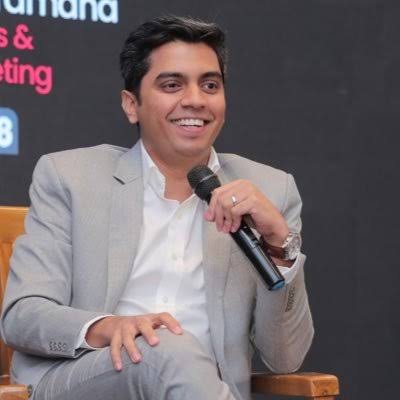
I think my origin story starts at NIT Surathkal. I grew up in a small town in the Gulbarga district of northern Karnataka, and moving to a campus with students from across the country was a completely different experience. It was a completely new world for me, and there was a learning curve—academically, socially and personally. My English wasn’t particularly strong, and I was suddenly surrounded by people who seemed far more confident and comfortable in that environment.
Humour became my way of connecting with them. I would joke about my own experiences, laugh at myself, and slowly found that making people laugh made conversations easier. Before long, I was the one posting funny observations about classmates, campus life and everyday incidents on our class Facebook group. Looking back, I wasn’t trying to become a comedian—I was simply trying to fit in.
By the time I reached IIM Bangalore, that habit had stayed with me. I found myself writing more, observing more, and looking for humour in everyday situations. I still didn’t think of it as stand-up comedy, but in hindsight, that’s where the foundation was laid.
At what point did humour stop being a way of connecting with people and become something you wanted to pursue more seriously?
I think that happened at IIM Bangalore. By then, I had become much more comfortable with myself. I found a wonderful group of friends, became more confident, and naturally started writing humorous posts about campus life, classes, placements and everything that was happening around us. The response from my classmates was incredibly encouraging, and that motivated me to keep writing.
Towards the end of my second year, during our farewell, I decided to try stand-up comedy for the very first time. My logic was quite simple—if it didn’t work, it was my farewell anyway, so I could quietly leave campus! Fortunately, it went well. The jokes landed, my friends were laughing the hardest, and for the first time, I felt that maybe this was something I could genuinely pursue.
That performance gave me the confidence to keep going. After graduation, I started attending open mics in Bengaluru, travelling whenever I could just for a few minutes on stage. Looking back, I don’t think there was one defining moment—it was a series of small moments, beginning at IIM Bangalore, that slowly turned a hobby into something much bigger.
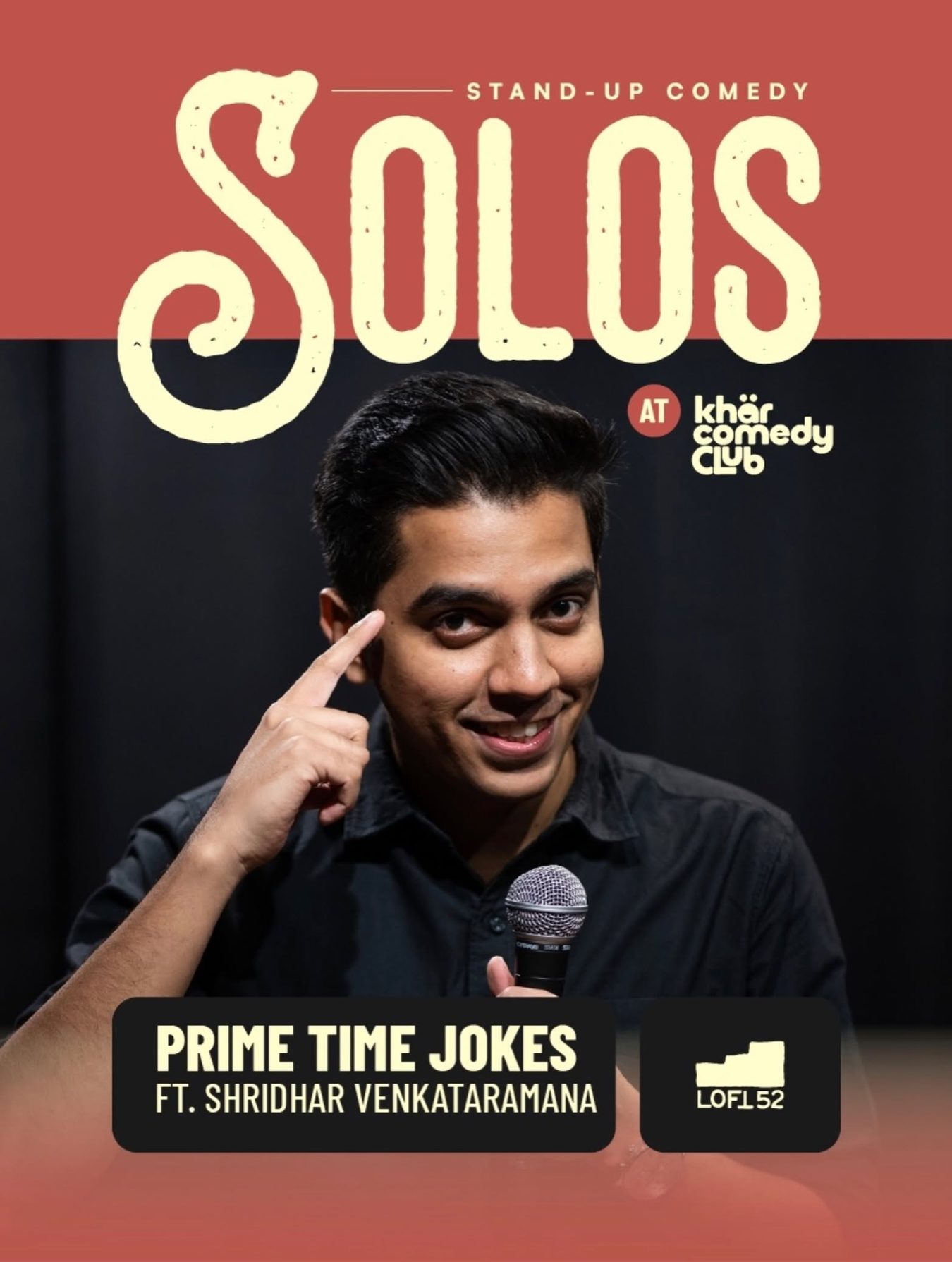
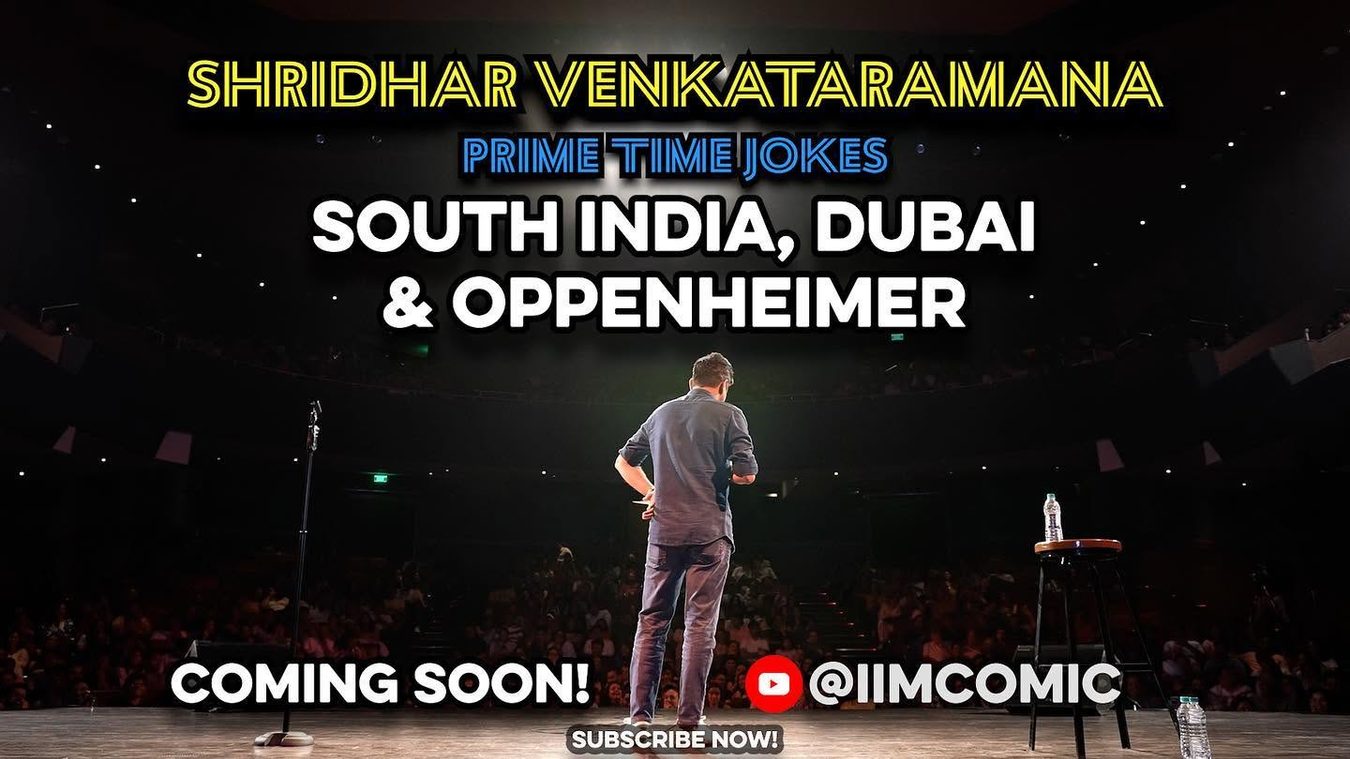
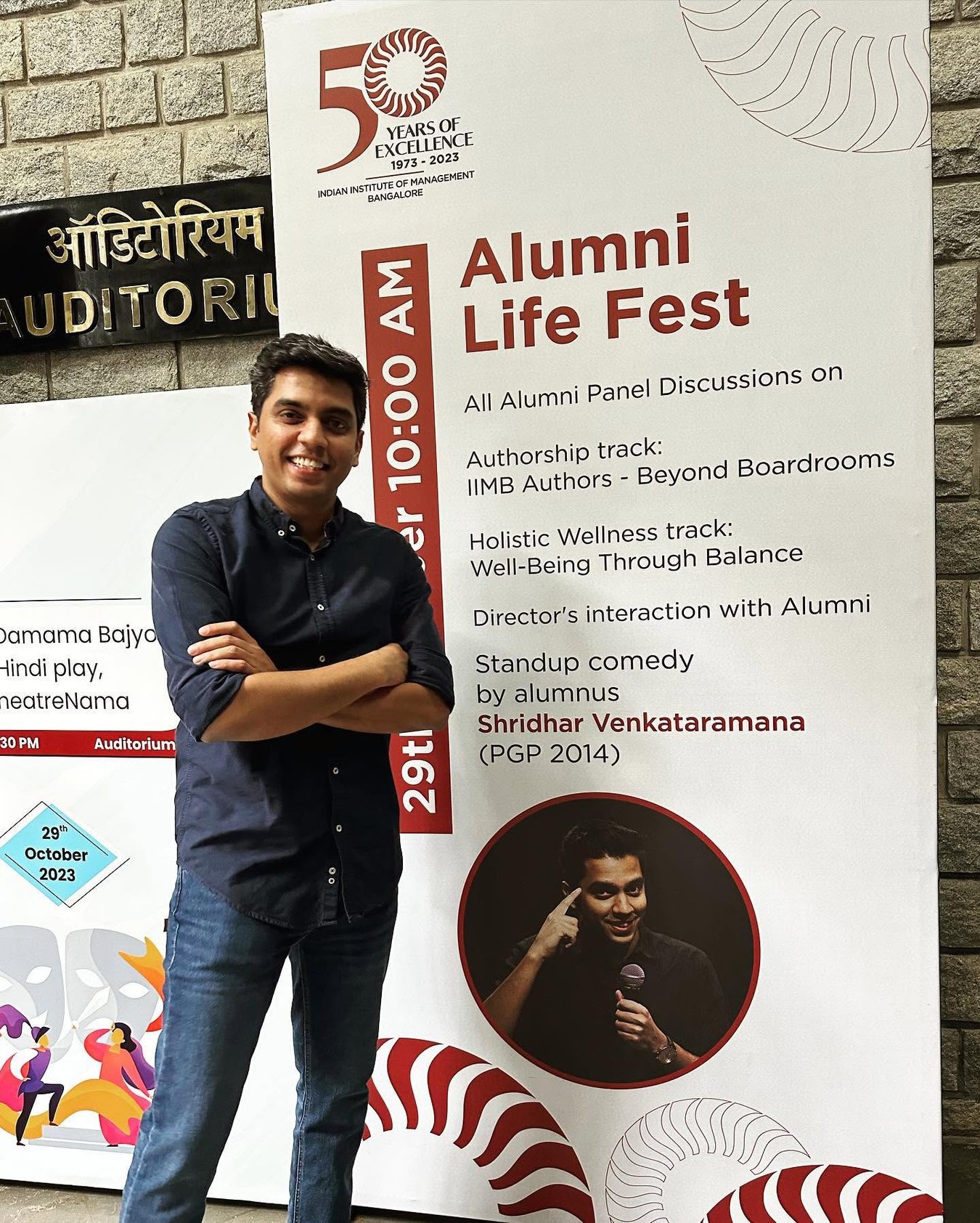

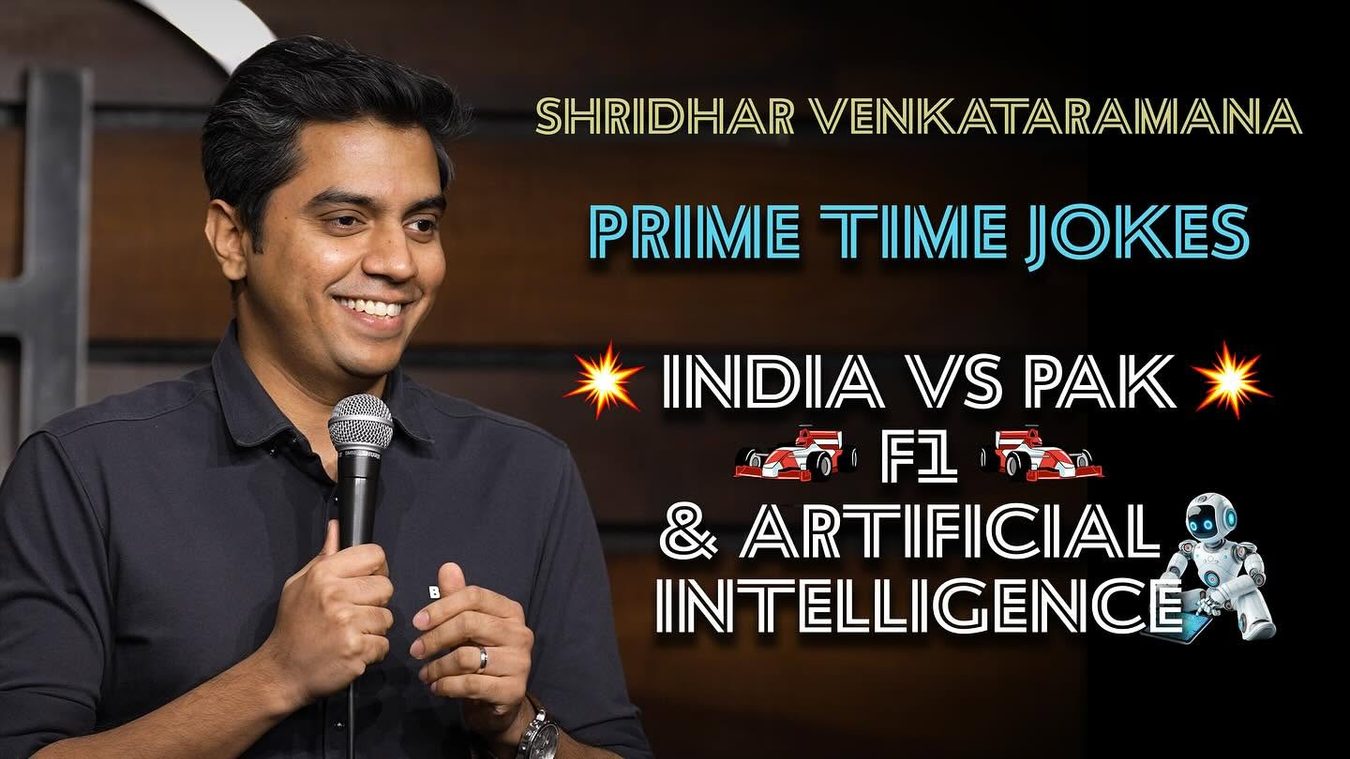
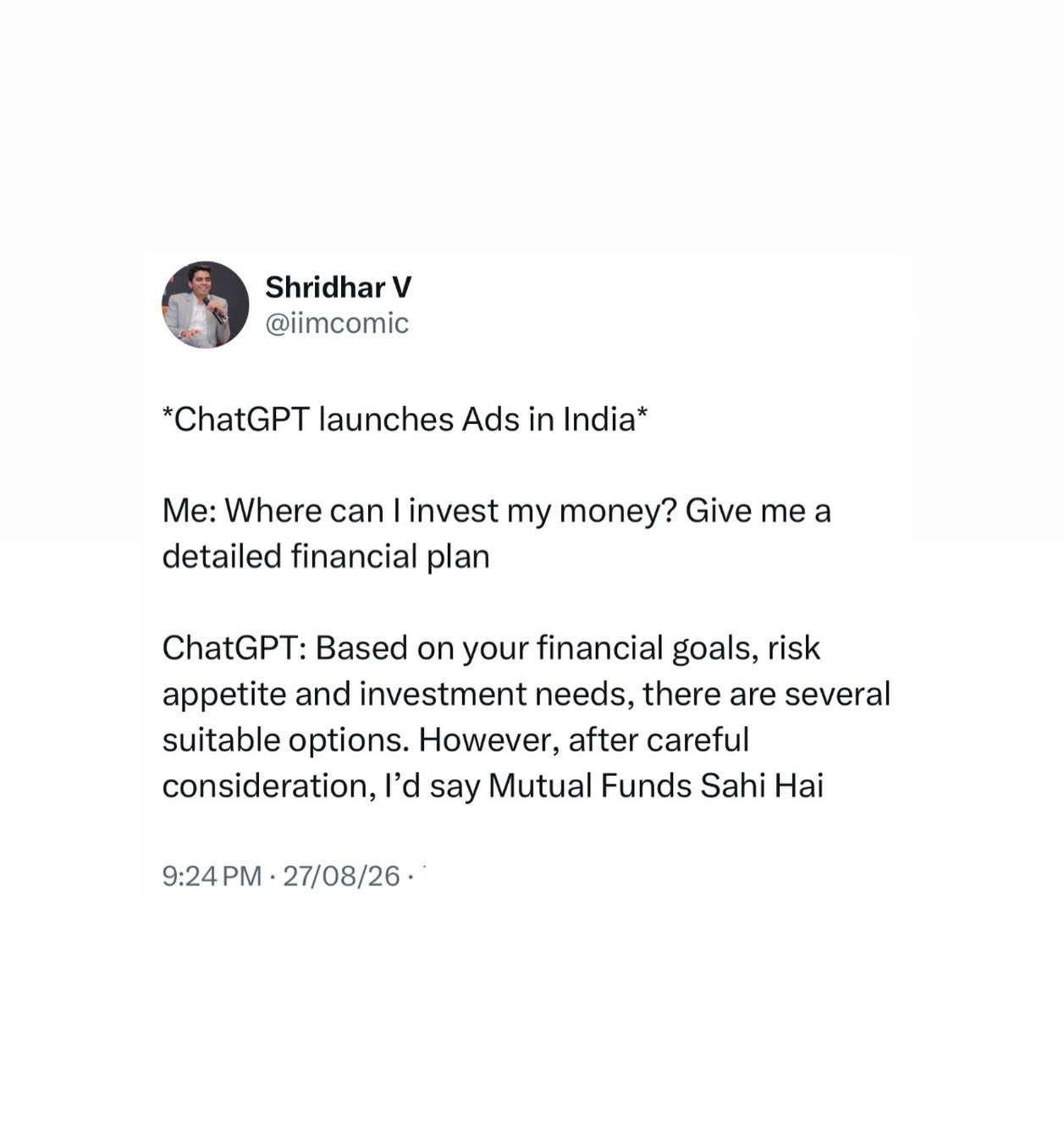
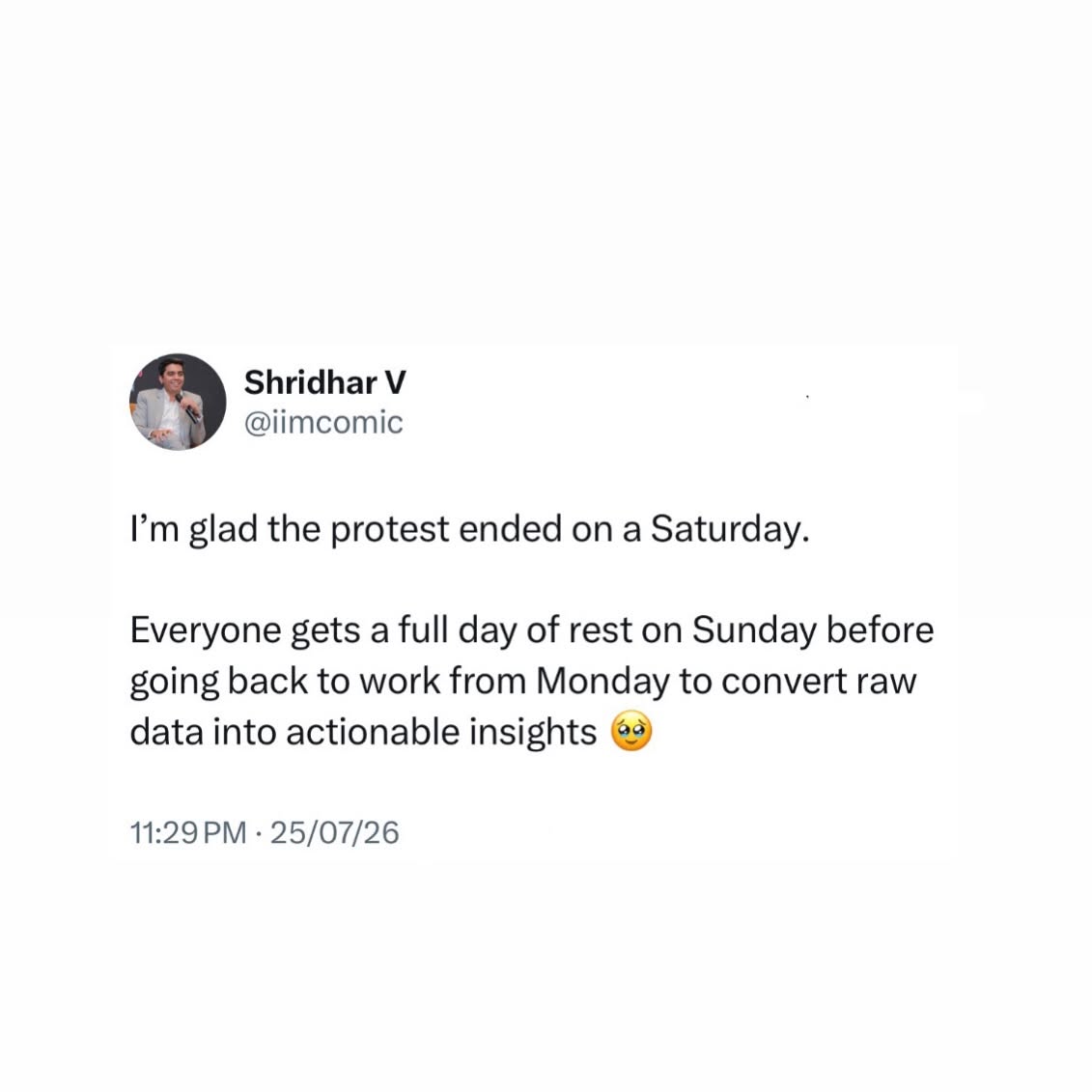
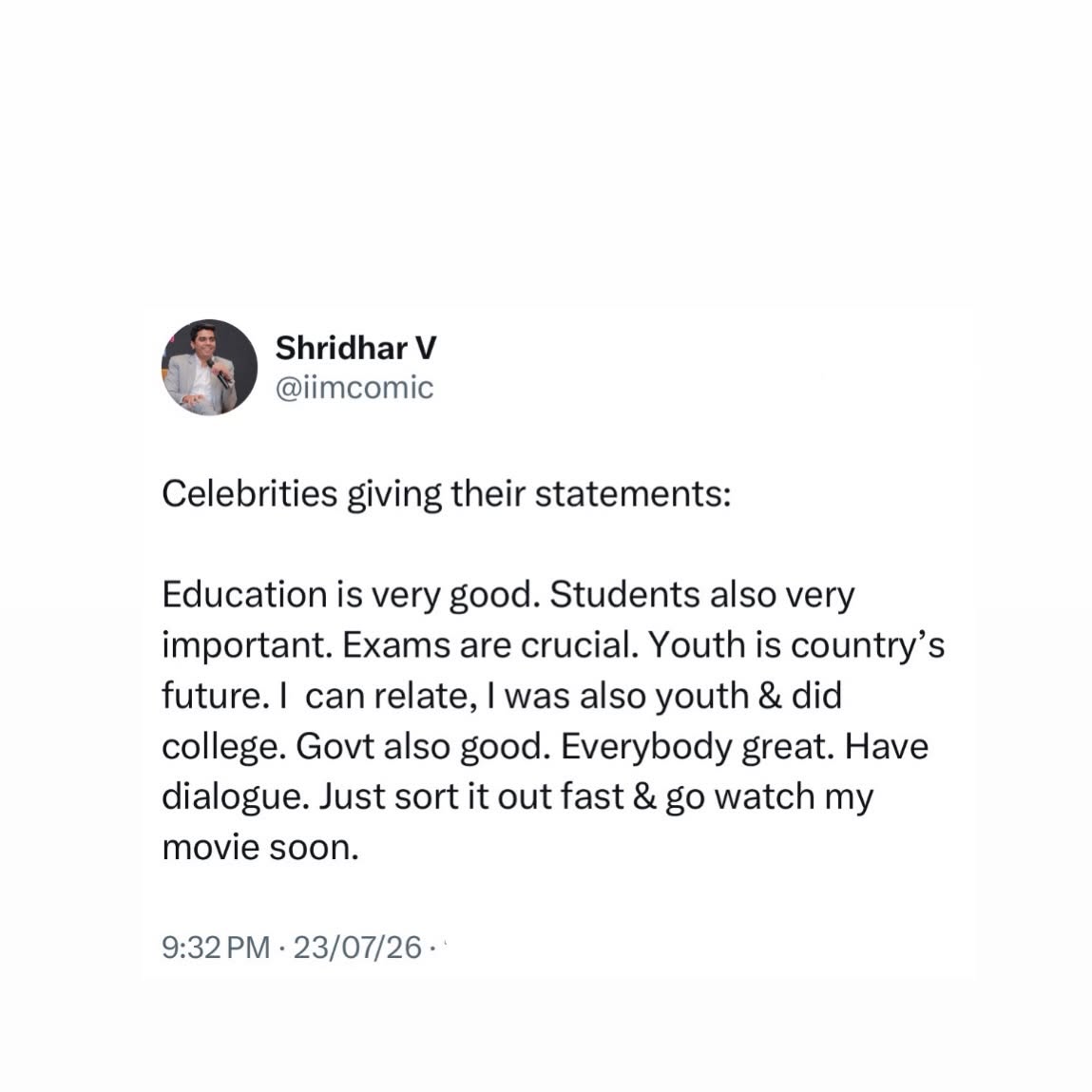
Your comedy is remarkably clean, observational and rooted in current affairs. At a time when shock value and controversy often grab attention, you’ve chosen a very different path. Was that a conscious decision?
Comedy is deeply personal, both for the performer and the audience. I’ve never believed in writing jokes simply because a particular style is popular. What genuinely excites me is observing what’s happening around us—whether it’s current affairs, business, films or everyday life—and trying to find a fresh perspective on it.
There’s a saying in the comedy world that “you have freedom of speech as long as you’re willing to accept the consequences.” I think that’s true. Every comedian has the freedom to choose the kind of material they want to perform, just as every audience has the freedom to decide what they enjoy. For me, I’ve always gravitated towards humour that is observational, relatable and true to my own personality.
Comedy has always been a creative outlet rather than something I have to do. That freedom has allowed me to stay true to the kind of humour I genuinely enjoy creating. Fortunately, there’s an audience that connects with it, and that’s something I’m grateful for. I’ve never measured success by how many people are watching—it’s always been about enjoying the process and continuing to get better at the craft.
Beyond the laughter and performances, what has comedy taught you about people?
One of the biggest things comedy has taught me is empathy. Through this journey, I’ve met people from incredibly different backgrounds, each with their own stories, struggles and aspirations. In the corporate world, you’re surrounded by people solving complex business problems, while in comedy, you meet artists who are constantly hustling, performing multiple shows a day and working tirelessly to perfect their craft. Spending time in both worlds has given me a much broader perspective on life.
It’s also made me appreciate that there’s no single definition of success. Everyone is on their own journey, driven by different motivations and ambitions. Seeing that up close has made me more open-minded, more grateful for the opportunities I’ve had, and more conscious of the effort people put into pursuing what they love.
Looking back, I think comedy has shaped me as much as I’ve shaped my comedy. It has made me a better observer, a better listener and, hopefully, a better person.
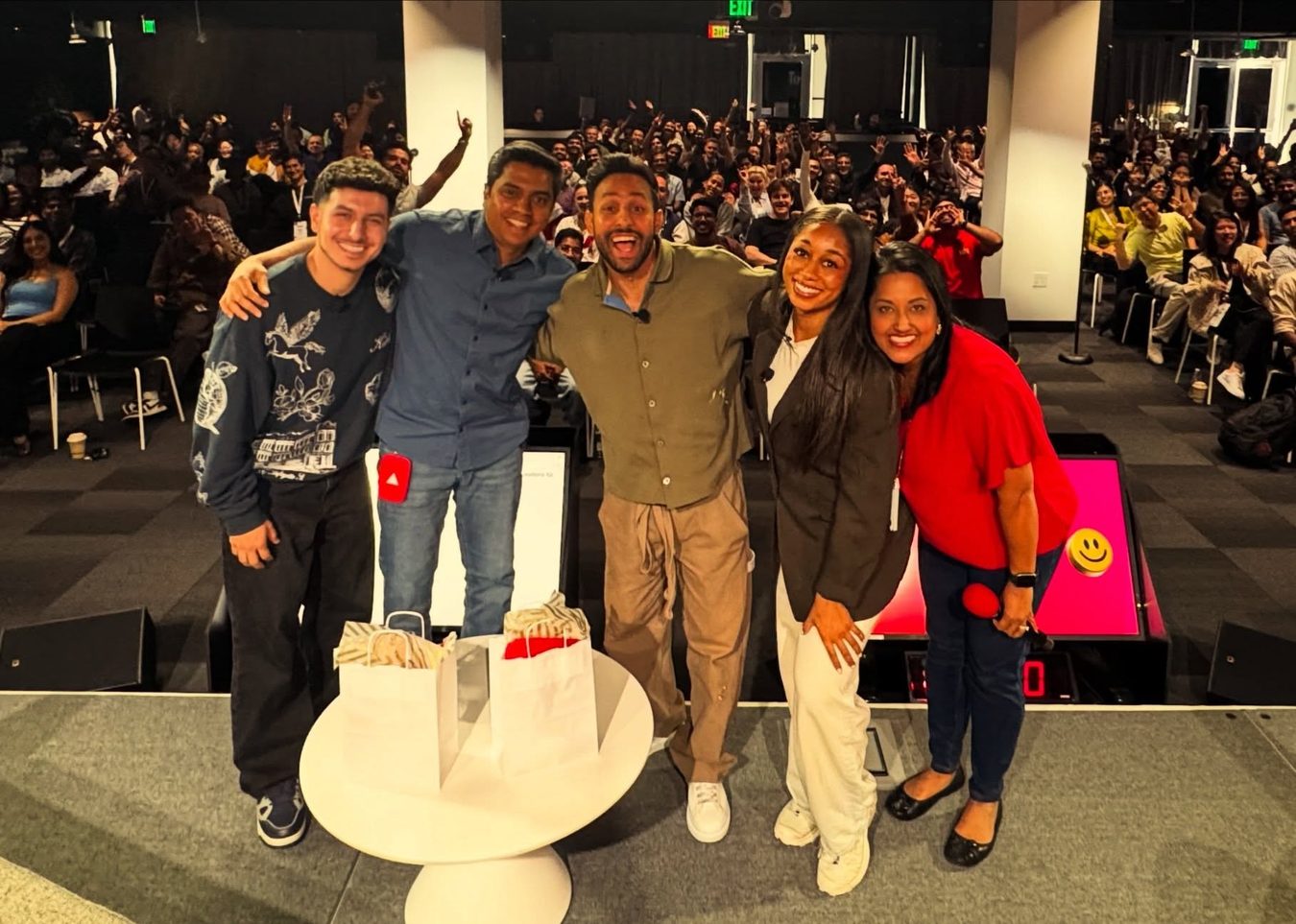
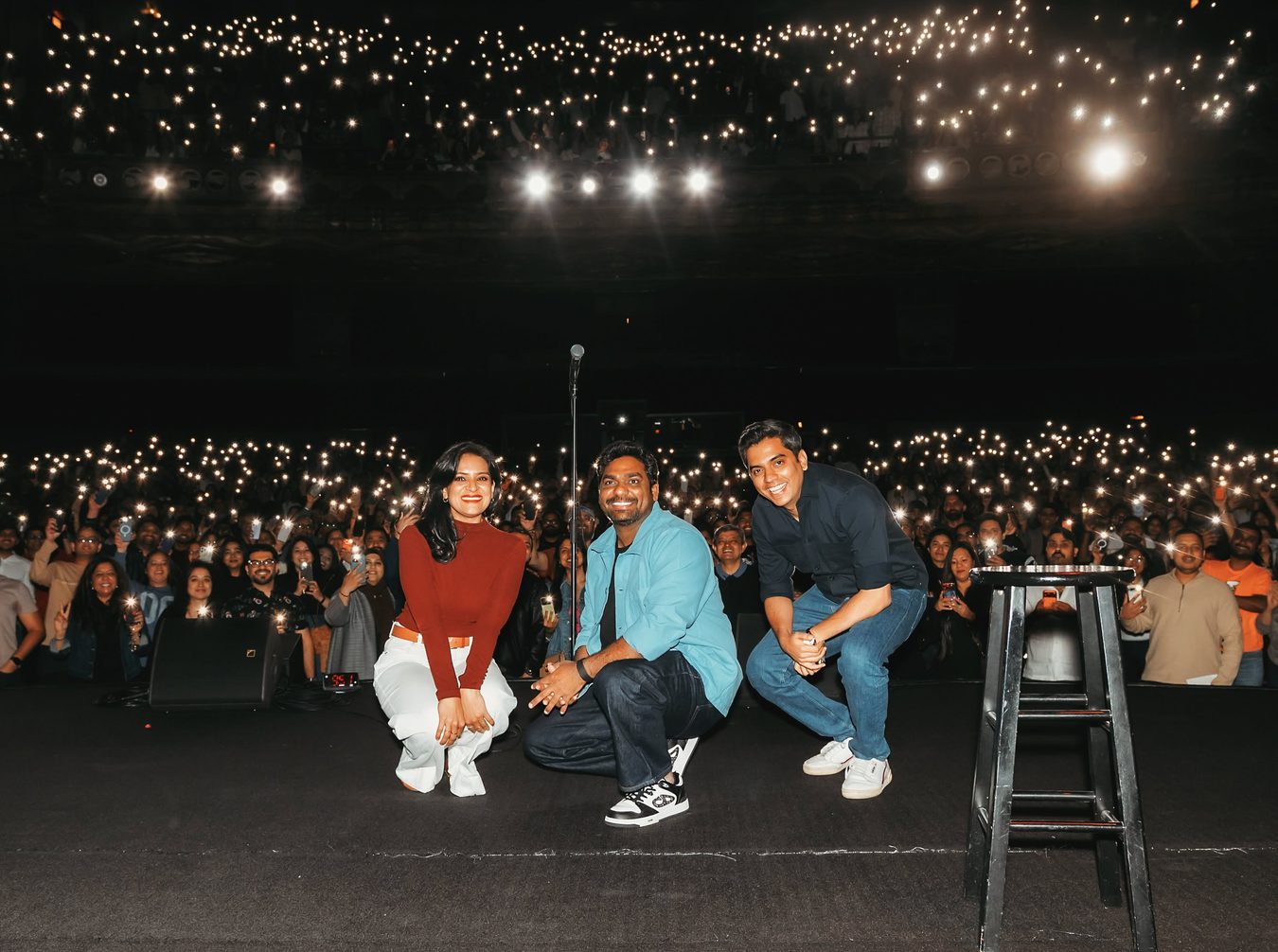
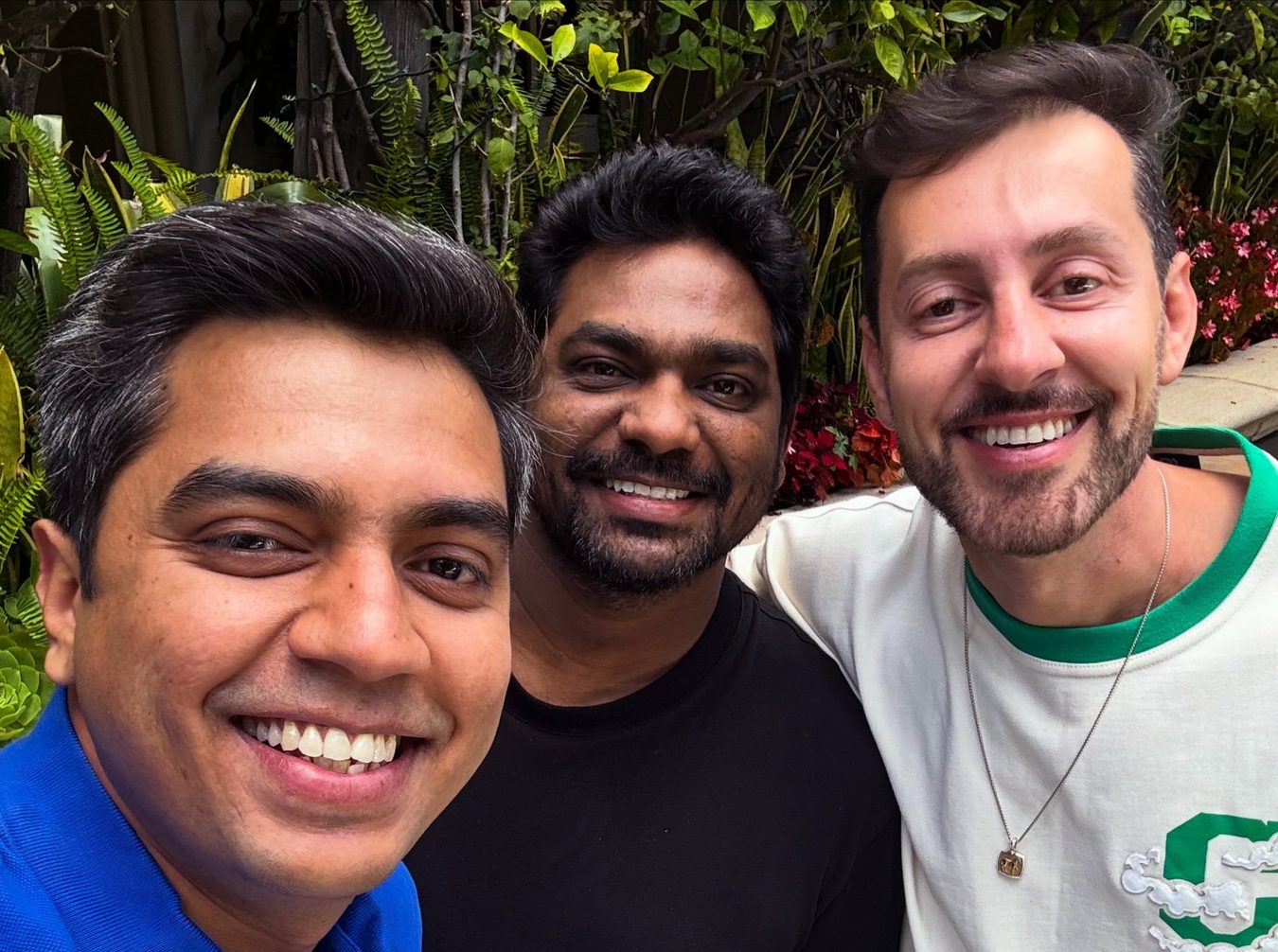
Earlier this year, your comedy journey took you to Los Angeles, where you shared the stage with Zakir Khan. Tell us the story behind that experience.
It was an unforgettable experience. I’d known Zakir for a few years through the comedy circuit, so reconnecting with him in Los Angeles was special in itself. But what made the trip even more memorable was that he introduced me to Max Amini, whose work I’d admired for a long time.
The three of us ended up spending time talking about comedy—how audiences differ across countries, the cultural nuances that shape humour, and how comedians adapt their material while still staying true to themselves. For someone who enjoys understanding the craft as much as performing, those conversations were incredibly enriching.
And then there was the performance itself. Standing before nearly 2,000 people in Los Angeles was one of those surreal moments that made me pause and reflect. Growing up in a small town in northern Karnataka, I could never have imagined that comedy would one day take me there. Looking back, it wasn’t just another show—it was a reminder of how unexpectedly this journey has unfolded, and how grateful I am for every opportunity along the way.
For anyone hesitant to pursue something they truly enjoy because they fear they’re not good enough, what would you say?
I’d say don’t let the fear of being bad at something stop you from trying it. Whether it’s dancing, trekking, stand-up comedy or anything else, very few people are naturally good on day one. We often give up because we’re worried about what others will think, but that’s probably the biggest barrier to learning anything new.
If there’s something you genuinely enjoy, be relentless in pursuing it. Be willing to be bad at it for a while. And perhaps most importantly, be a little shameless about public opinion. People will always have something to say, but if you keep showing up, keep learning and keep improving, you’ll eventually find your own path.
Looking back, that’s probably the biggest lesson comedy has taught me—not just as a performer, but as a person.
From tentative jokes in a college hostel to performing on international stages, Shridhar V’s journey is a reminder that the most rewarding paths are often the ones we don’t plan. Whether on stage, in the corporate world, or behind a notebook full of fresh ideas, he continues to approach comedy with curiosity, authenticity and a deep love for the craft.
To stay updated on Shridhar’s latest performances, comedy specials and upcoming gigs, follow him on Instagram at @iimcomic.
