

Book Release
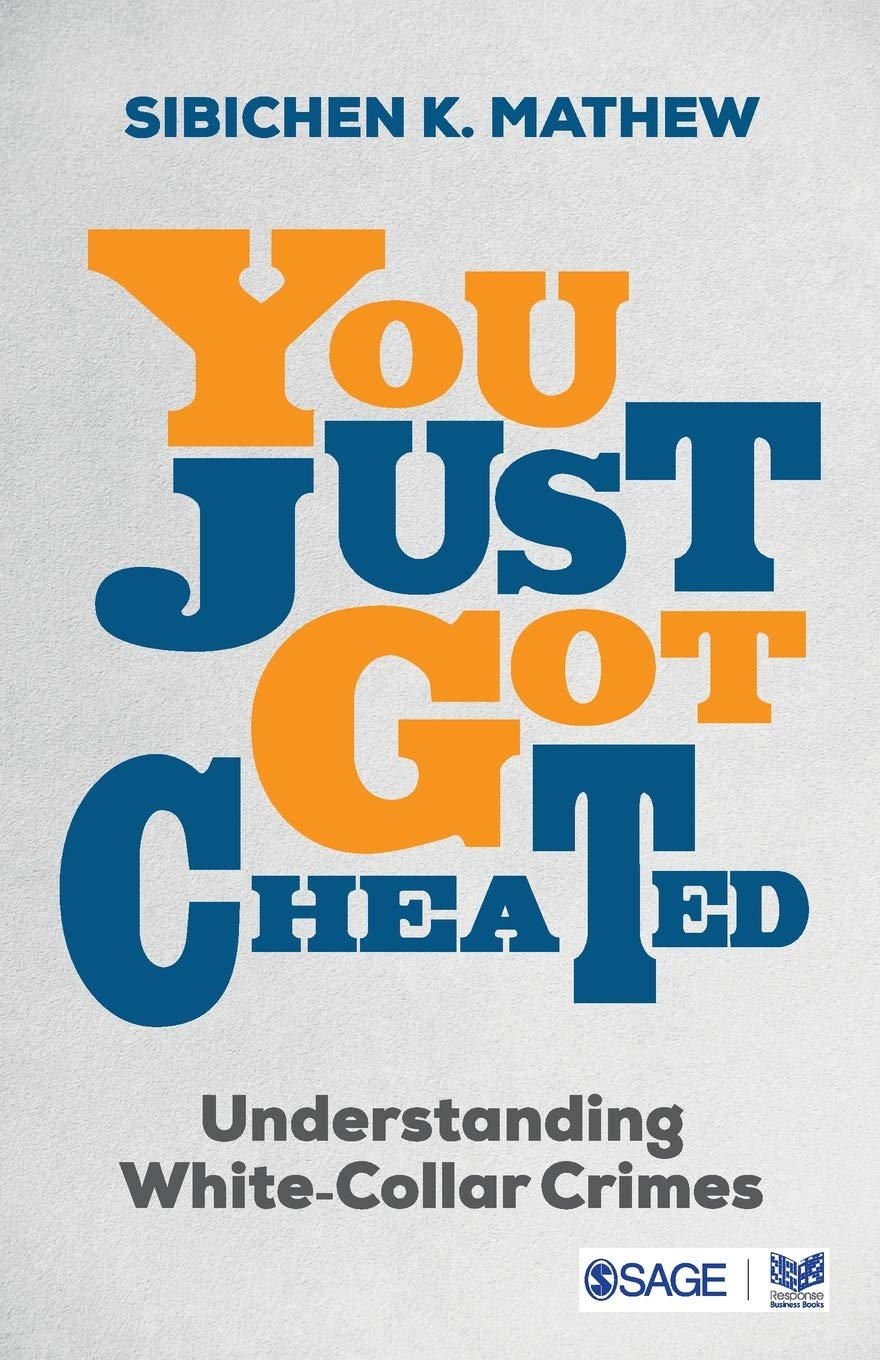
You Just Got Cheated- Sibichen Mathew, PGPPM 2006
About the Author
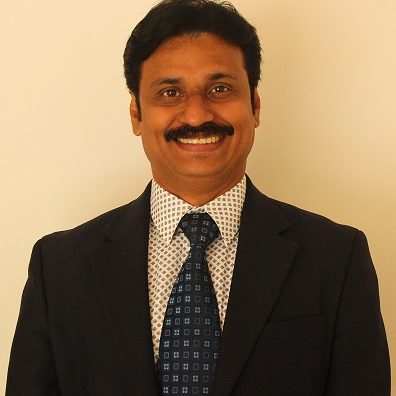
Sibichen K. Mathew is a Commissioner of Income Tax in the Indian Revenue Service (IRS). He is a passionate researcher, blogger, TEDx Speaker and author of bestselling books. His academic qualifications include postgraduation in sociology from the Loyola College in University of Kerala (university topper), postgraduation in public policy and management from Indian Institute of Management (IIM) Bangalore, with corporate governance as an elective course, PhD in fiscal sociology from Bharathiar University, MPhil in social systems from Jawaharlal Nehru University (JNU), New Delhi, and LLB from Karnataka State Law University (college topper and university rank holder). He is a Certified Fraud Examiner (CFE) from Association of Certified Fraud Examiners, Texas. He is also the recipient of the UGC Research Fellowship and has been awarded gold medals from the University of Kerala, National Police Academy and National Academy of Direct Taxes. He has received training in international public policy from Syracuse University and in corporate taxation and advocacy skills from Duke University. Dr Mathew is also a Distinguished Toastmaster (DTM). He has been a visiting associate in IIM Bangalore. His earlier books are When the Boss is Wrong: Making and Unmaking of the Leader within You and Making People Pay: The Economic Sociology of Taxation. This book is a culmination of his research and analysis in the area of white-collar crimes for more than six years. His website is www.sibichen.in and email is sibi5555@gmail.com.
About book
Most of us have been victims of frauds and related crimes at some point or the other in our lives. We may not have answers to pertinent questions such as: Who is responsible for the fraud committed? Why do people commit white collar crimes? What makes us vulnerable to such crimes? Who could have prevented the crime? What could individuals and entities do to prevent the crime in future and what action should we take to recover the losses? Unlike street crimes where victims are clearly identified and their losses and concerns are suitably recorded and attended to, the victims of White Collar Crimes are not given proper attention and many times such crimes are considered to be ‘victim less’.
This book attempts to examine the above questions by analyzing various types of white collar crimes, drawing examples of such crimes that have happened across the world. History reveals that crimes travel across the globe in time as criminals learn from each other for their criminal indulgences. We hear about a crime elsewhere – in a different city or a country – and within no time you find the same thing happening with necessary improvisation in our own neighborhood.
When the corporate criminals, opportunist and greedy public servants join hands, to indulge in various types of crimes, the regulatory enforcement becomes lax, farce and ineffective. In the end, the victims – the public who were adversely impacted, the shareholders who lost their investments, the consumers who got a raw deal, the employees who lost their jobs and the financiers who lost what they lent – suffer without any recourse. The book culminates with two chapters exclusively on answering questions such as – Why do people commit white collar crime? Why do people fall victim to white collar crime and how to curb this menace? The book concludes with an analysis of whistleblowers and the related challenges and safeguards.
As scams and frauds perpetuate, there is a need for a systematic analysis of the pattern, the impact and the preventive steps. The insights given in the book would be helpful for professionals as well as common citizens.
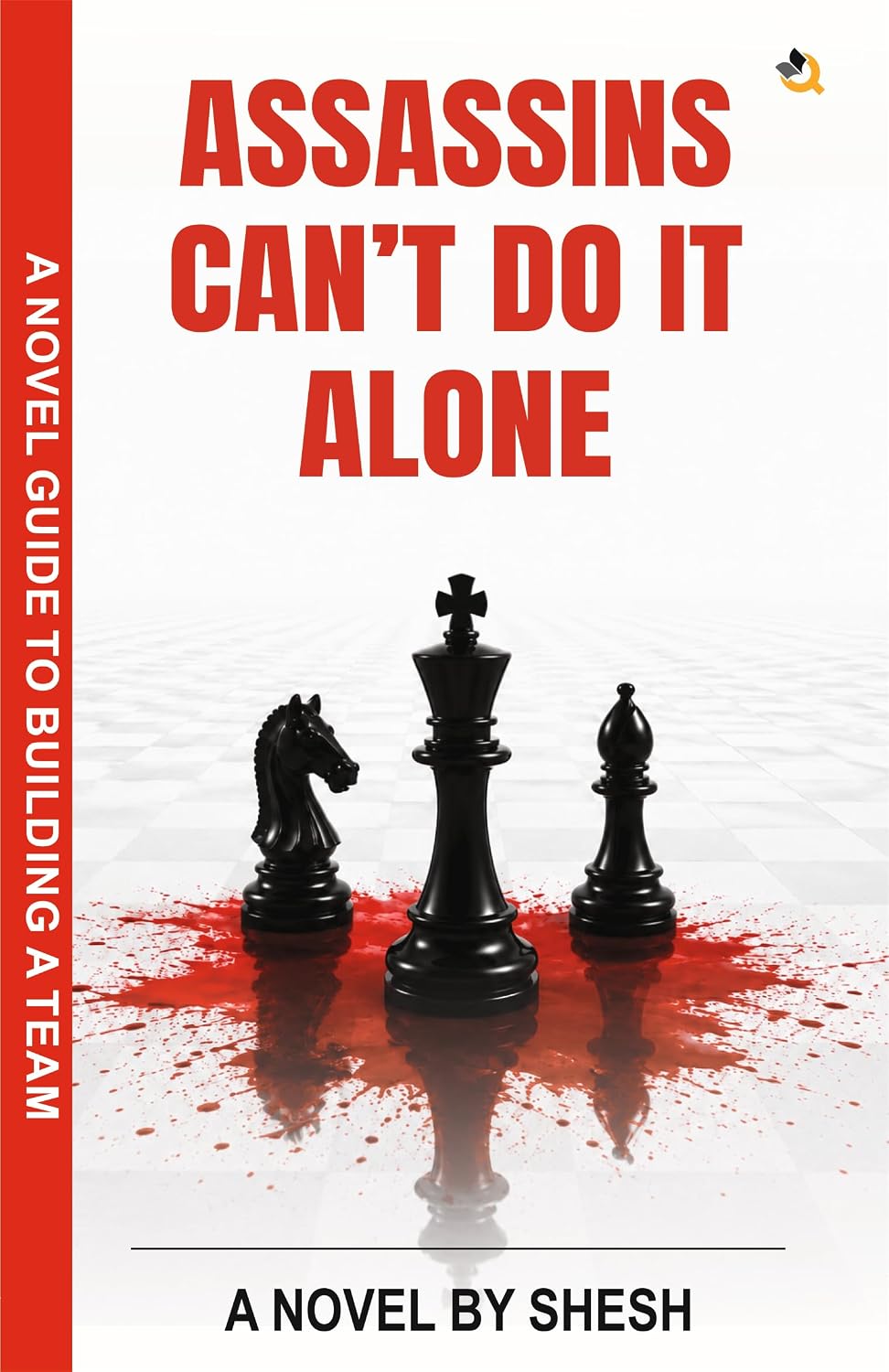
Assassins Can’t Do It Alone – Shesh, PGP 1988

About the Author
For many years, Shesh was an author in denial. He wrote stories and articles but shared them only with his family and close friends, and felt like an imposter doing so.
Two years ago, Radhika, his wife and muse, gave him an ultimatum. Publish or perish, she said.
Given that her kitchen was stocked with sharp implements and unlabelled bottles containing suspicious powders, Shesh began writing in earnest. When Earnest objected, Shesh moved to his laptop.
Sixty Is The New Assassin is the first of 12 novels – The CEO Assassin series. Featuring Ishmael Dollah, an unremarkable retired CEO, the series traces the evolution of a corporate honcho into a remorseless assassin. Set in Singapore, the ‘safest country in the world’, Ishmael’s targets find their misplaced complacence fatal. Ishmael Dollah finds that he is well suited to graduate into his new vocation. In his years as a CEO, he has learnt to be amoral, relentless and goal-focussed. The perfect qualities for someone who needs to take a life and then attend a cocktail reception.
Shesh is a voracious reader. He has always been irritated by protagonists ruled by angst or past tragedies. Ishmael has no such qualms. He is a happy, well adjusted assassin with no dark secrets. Ishmael loves his family, his country, and his life. Murder is just icing on the cake.
The second book in the series, “Assassins Are Our Greatest Assets” came out in January 2026, and the next in the series is slated for September 2026.
Shesh can be reached only if you have an assignment for Ishmael Dollah.
About book
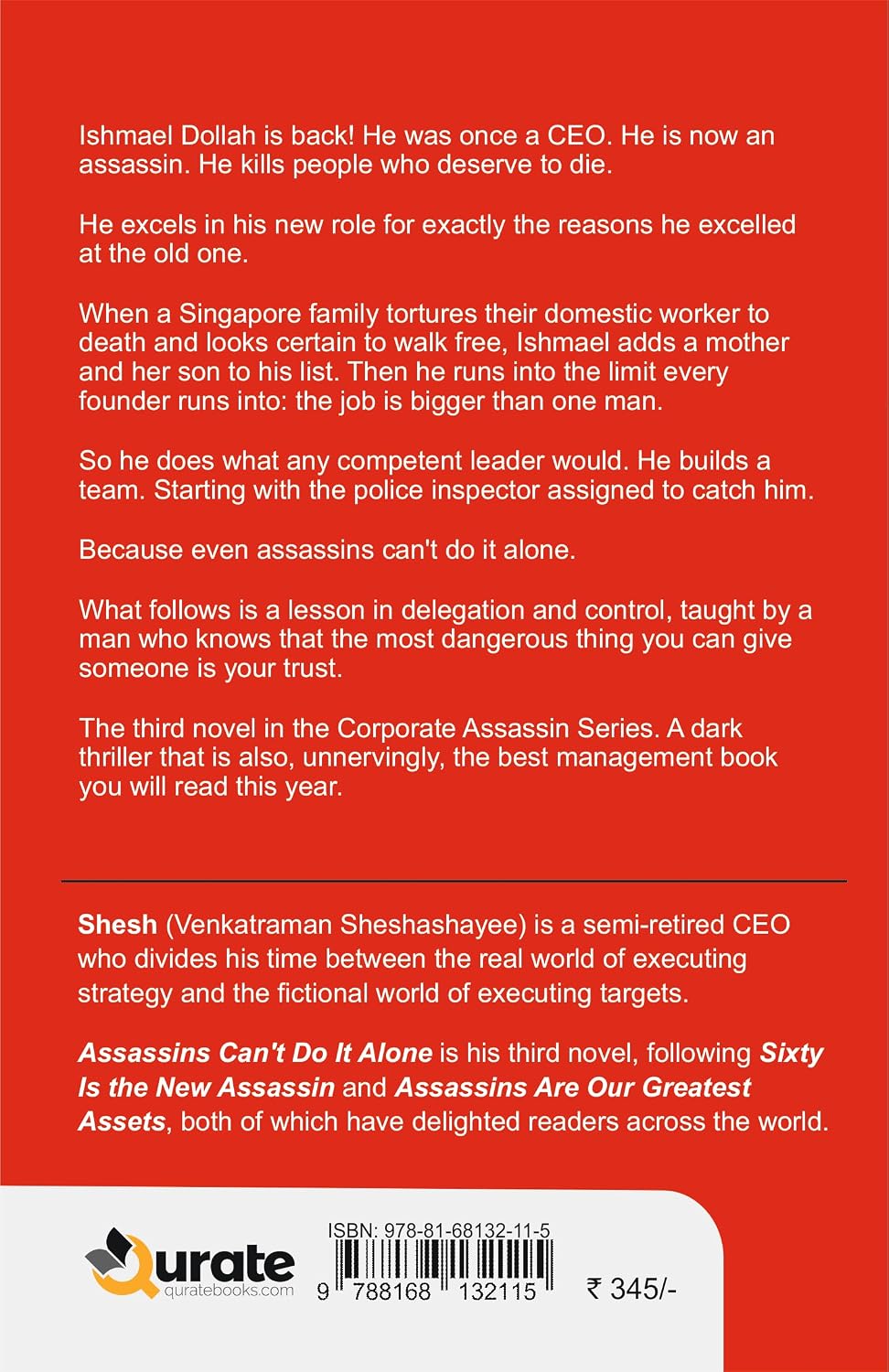
He was once a CEO. He is now an assassin. He kills people who deserve to die. Ishmael Dollah is back!
He excels in his new role for exactly the reasons he excelled at the old one.
When a Singapore family tortures their domestic worker to death and looks certain to walk free, Ishmael adds a mother and her son to his list. Then he runs into the limit every founder runs into: the job is bigger than one man.
So he does what any competent leader would. He builds a team. Starting with the police inspector assigned to catch him.
Because even assassins can’t do it alone.
What follows is a lesson in delegation and control, taught by a man who knows that the most dangerous thing you can give someone is your trust.
The third novel in the Corporate Assassin Series. A dark thriller that is also, unnervingly, the best management book you will read this year.
Assassins Can’t Do It Alone follows Sixty Is the New Assassin and Assassins Are Our Greatest Assets, both of which have delighted readers across the world.
Balancing the Chain – Ushasri Tirumala, PGDM 1981

About the Author
Ushasri Tirumala is a seasoned executive and thought leader in technology and business transformation. As Executive Vice President, Manhattan Associates (USA), she had led strategic vision and growth of the India operations. She has experience in building Global Capability Centers and Centers of Excellence, driving innovation and inclusive growth.
She is actively engaged in academic collaboration and thought leadership in supply chain management. She serves on the advisory board for the Centre for Supply Chain Management at the Indian Institute of Management (IIM) Udaipur. She is also associated with the Center of Excellence on Supply Chain at the Indian Institute of Management Bangalore, supporting research and industry-oriented initiatives.
A passionate advocate for diversity and operational excellence, Ushasri brings a unique blend of strategic vision and hands-on execution to every initiative she leads. Her expertise spans technology management, supply chain capability building, and organizational/leadership development.
About book
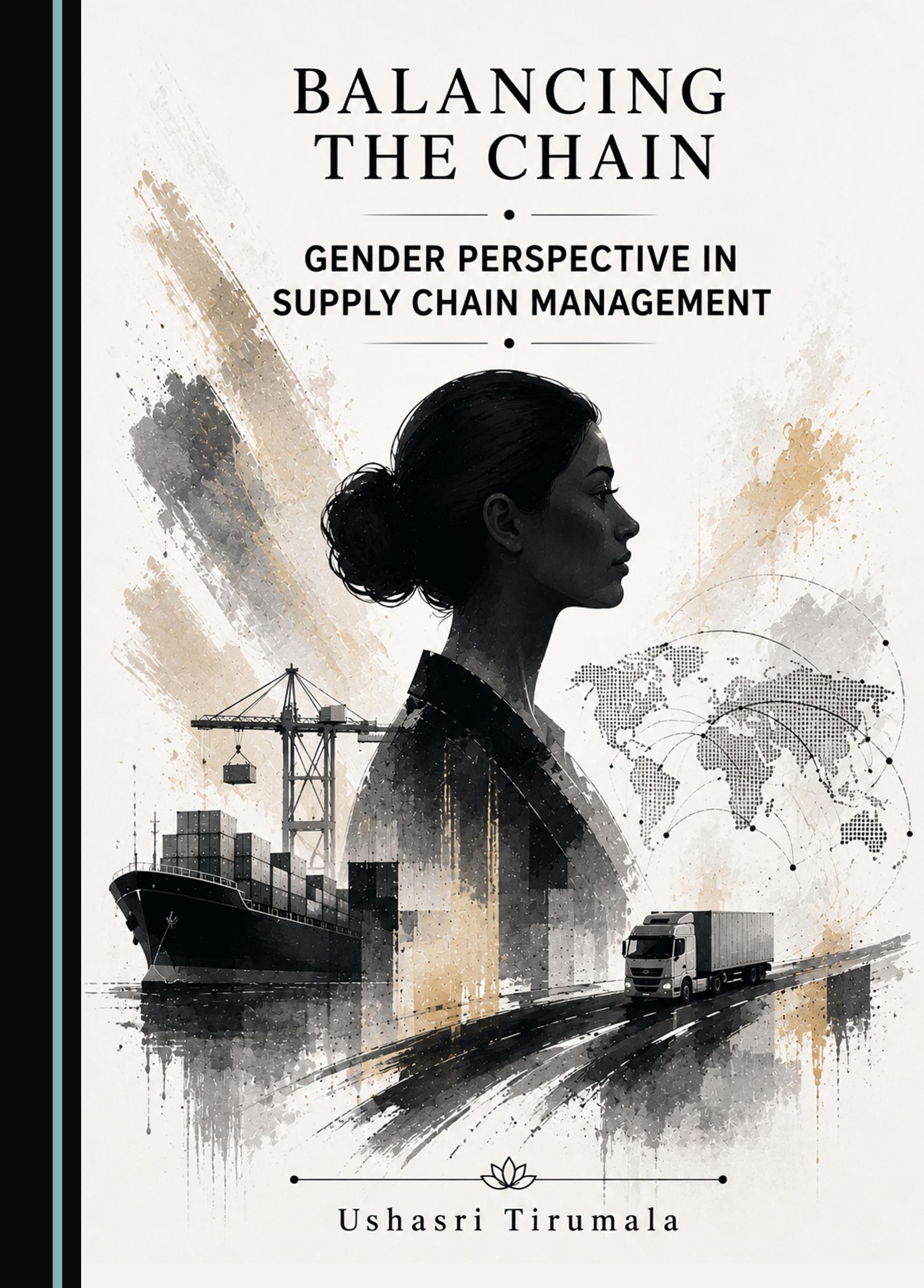
This book is a contemporary analysis of the participation of women in the Logistics and Supply Chain (LSCM) industry. It explores the evolving landscape of gender diversity within this industry. Through in-depth interviews, research and data-driven analysis, the book identifies existing challenges, highlights best practices, and provides actionable recommendations for creating a more supportive environment.
By drawing on the voices of women leaders and professionals, the book brings forward diverse perspectives that are often overlooked in mainstream industry discourse. It’s a valuable resource for professionals and people evaluating careers in supply chain as well as organizations exploring useful frameworks for attraction and retention.
